

What to Eat for Healthy Glowing Skin
Healthy skin begins with more than what you put on your face. Creams, cleansers, and moisturizers can certainly support your skin from the outside, but what you eat every day also plays an important role in how your skin looks and feels.
Your skin is your body’s largest organ. Like every other part of your body, it depends on water, protein, healthy fats, vitamins, minerals, and antioxidants to function properly.
That is why choosing the right healthy skin food can be such a simple but powerful part of your daily wellness routine.
Instead of searching for one miracle ingredient, it is more helpful to focus on a variety of whole foods that nourish your body, support cellular health, and provide the nutrients your skin needs to stay strong, hydrated, and resilient.
Foods for Skin Health
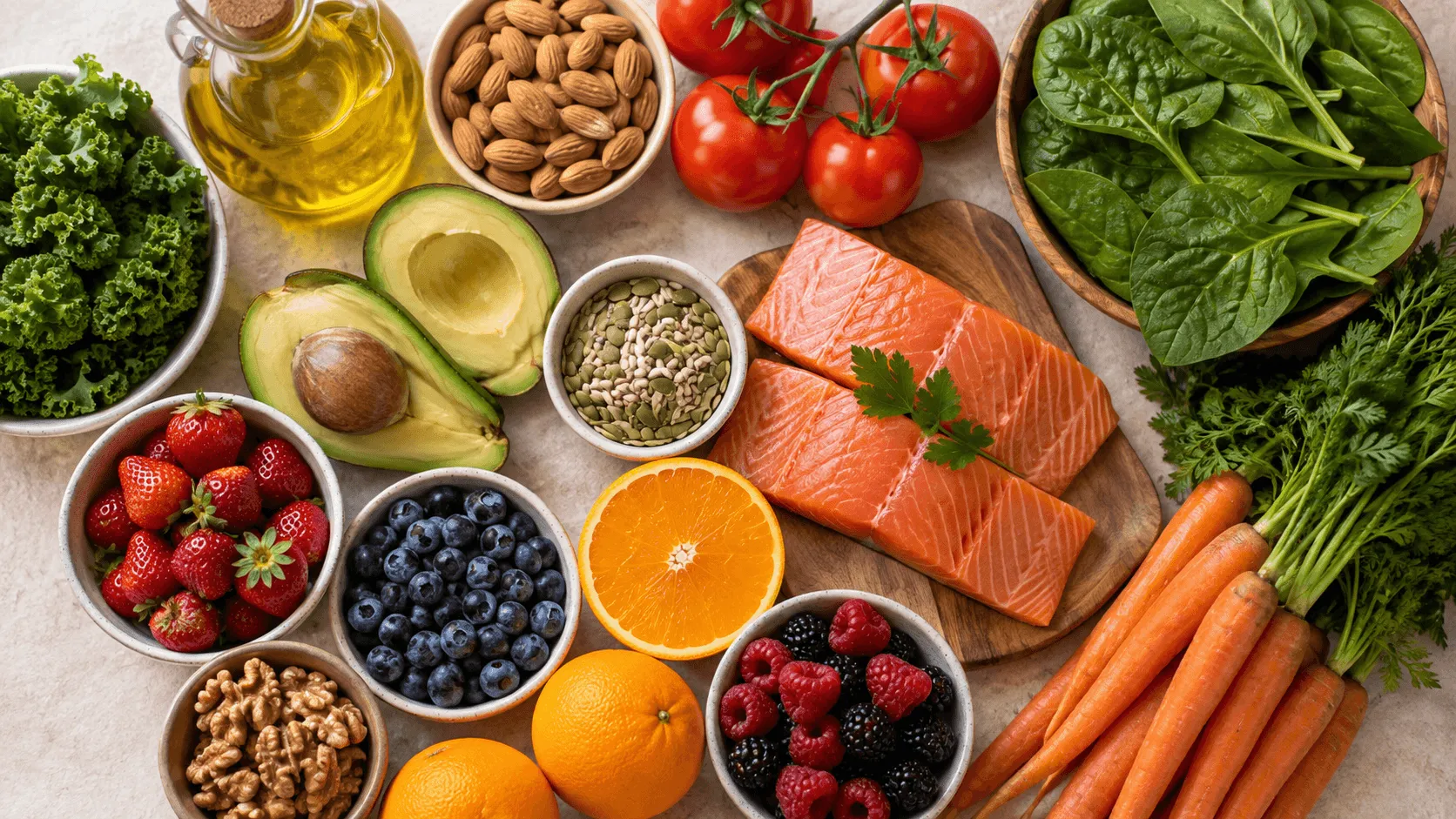
The best foods for skin health are usually the same foods that support overall health.
Fresh fruits and vegetables, healthy fats, quality proteins, nuts, seeds, and plenty of water all provide nutrients your skin uses every day.
Some of the most valuable nutrients for skin include:
- Vitamin C
- Vitamin E
- Vitamin A and beta carotene
- Zinc
- Selenium
- Omega 3 fatty acids
- Protein
- Antioxidants
- Water
Rather than focusing on one nutrient at a time, aim for a colourful and varied diet.
A plate filled with different colours often provides a wider variety of plant nutrients and antioxidants.
What to Eat for Skin Health
If you are wondering what to eat for skin health, start with simple foods you can easily add to your regular meals.
Good choices include:
- Berries
- Citrus fruits
- Tomatoes
- Carrots
- Sweet potatoes
- Spinach
- Kale
- Broccoli
- Avocados
- Salmon
- Sardines
- Eggs
- Walnuts
- Almonds
- Chia seeds
- Flaxseeds
- Olive oil
- Greek yogurt
- Beans and lentils
You do not need to eat all of these every day.
Instead, choose a few from different food groups and rotate them throughout the week.
That variety can help you receive a broader range of nutrients.
For Healthy Skin What to Eat
When deciding for healthy skin what to eat, think about building balanced meals rather than searching for a perfect food.
A simple skin friendly meal might include:
Protein: salmon, eggs, beans, lentils, chicken, or Greek yogurt
Vegetables: spinach, broccoli, carrots, peppers, or tomatoes
Healthy fat: avocado, olive oil, nuts, or seeds
Fruit: berries, oranges, kiwi, or melon
Hydration: water or unsweetened tea
This kind of meal provides protein, healthy fats, plant nutrients, vitamins, and antioxidants in one simple combination.
Good Food for Healthy Skin
There are many examples of good food for healthy skin, but some stand out because they provide several useful nutrients at once.
Salmon provides protein and omega 3 fatty acids.
Berries contain vitamin C and a variety of antioxidants.
Avocados provide healthy fats and vitamin E.
Sweet potatoes are rich in beta carotene.
Nuts and seeds provide healthy fats, minerals, and plant nutrients.
Leafy greens contain vitamins, minerals, and antioxidants that support overall nutrition.
The goal is not perfection.
It is consistency.
Eating nutritious foods regularly matters more than eating one so called superfood occasionally.
.
Best Fruit for Skin Health
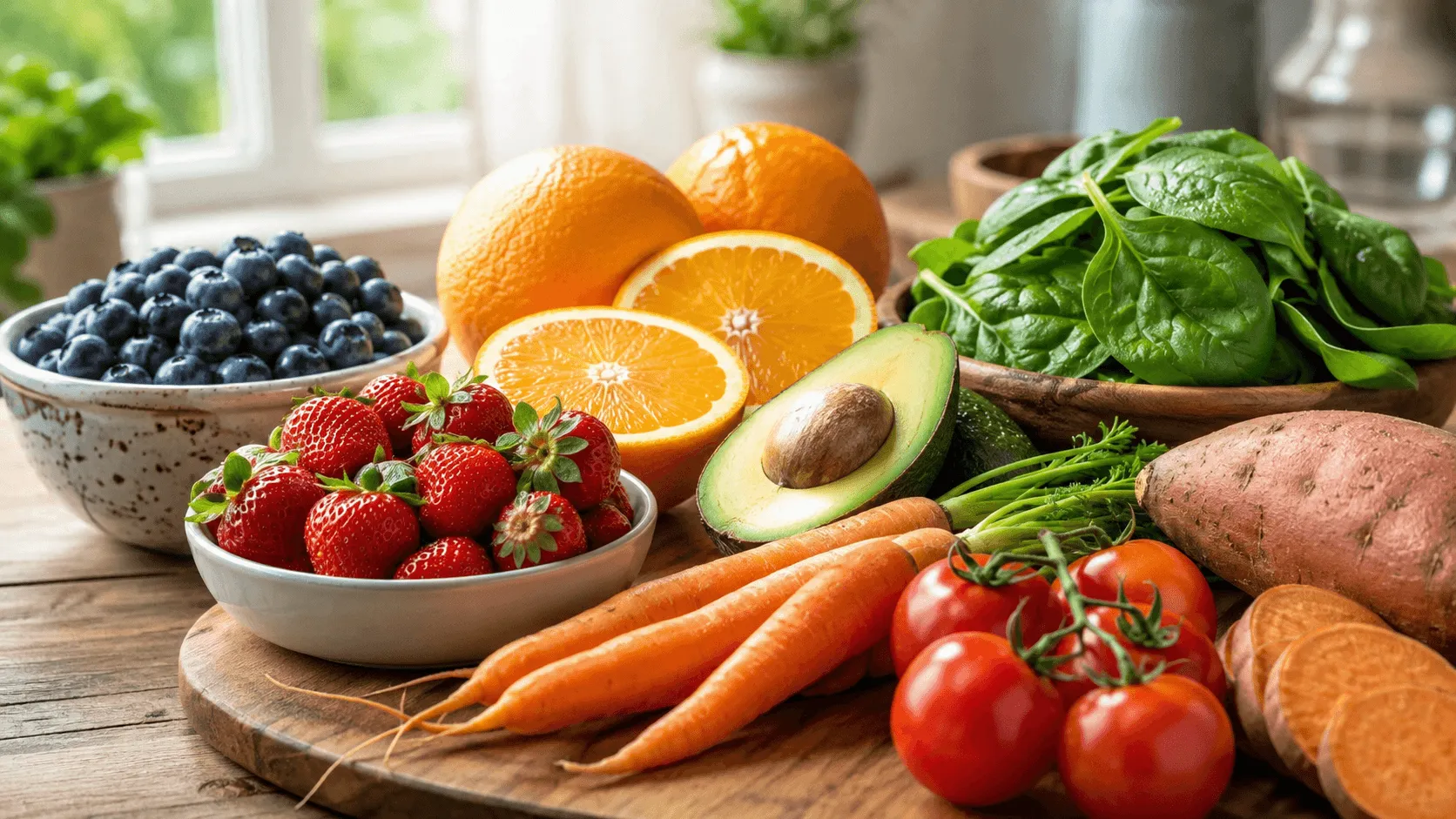
There is no single best fruit for skin health, but some fruits are especially useful because of their nutrient content.
Berries are rich in antioxidants.
Oranges and kiwi provide vitamin C.
Watermelon contains plenty of water and plant compounds.
Mango contains beta carotene and vitamin C.
Avocado, although technically a fruit, provides healthy fats and vitamin E.
Eating several types of fruit throughout the week gives you a wider variety of nutrients
Healthy Skin Fruits and Vegetables
Choosing a colourful variety of healthy skin fruits and vegetables is one of the easiest ways to improve the nutritional quality of your diet.
Try to include several colours:
Red: tomatoes, strawberries, watermelon
Orange: carrots, oranges, sweet potatoes
Yellow: yellow peppers, pineapple
Green: spinach, broccoli, kale, avocado
Blue and purple: blueberries, blackberries, purple cabbage
Different colours often represent different plant compounds, which is one reason variety is so valuable.
Skin Health Vegetables
When choosing skin health vegetables, focus on nutrient dense options.
Leafy greens are excellent sources of several vitamins and plant compounds.
Carrots and sweet potatoes contain beta carotene.
Tomatoes contain lycopene.
Bell peppers provide vitamin C.
Broccoli provides vitamin C, fibre, and several plant nutrients.
A simple rule is to make vegetables a regular part of lunch and dinner whenever possible.
Healthy Skin Diet: How Nutrition Supports Your Skin
A healthy skin diet is not really a special diet at all.
It is simply a balanced way of eating that gives your body the raw materials it needs.
Your skin constantly renews itself. That process requires energy, protein, vitamins, minerals, fats, and water.
Extreme dieting, highly restrictive eating, or consistently poor nutrition may make it more difficult to meet those needs.
A more practical approach is to build meals around whole foods and keep highly processed foods as occasional choices rather than dietary staples.
Food and Skin Health
The relationship between food and skin health is not about expecting food to cure every skin concern.
Skin appearance can be influenced by many factors, including genetics, hormones, sun exposure, sleep, stress, age, hydration, medications, and medical conditions.
Nutrition is one piece of that larger picture.
Eating well supports your body from within and gives your skin access to the nutrients it requires for normal function.
Healthy Skin and Hair Foods
Many healthy skin and hair foods overlap because both skin and hair depend on good overall nutrition.
Protein is especially important because both contain structural proteins.
Useful foods include:
- Eggs
- Fish
- Greek yogurt
- Beans
- Lentils
- Nuts
- Seeds
- Leafy greens
- Berries
- Avocados
Instead of treating skin and hair separately, consider supporting the health of your whole body.
Foods High in Antioxidants for Skin
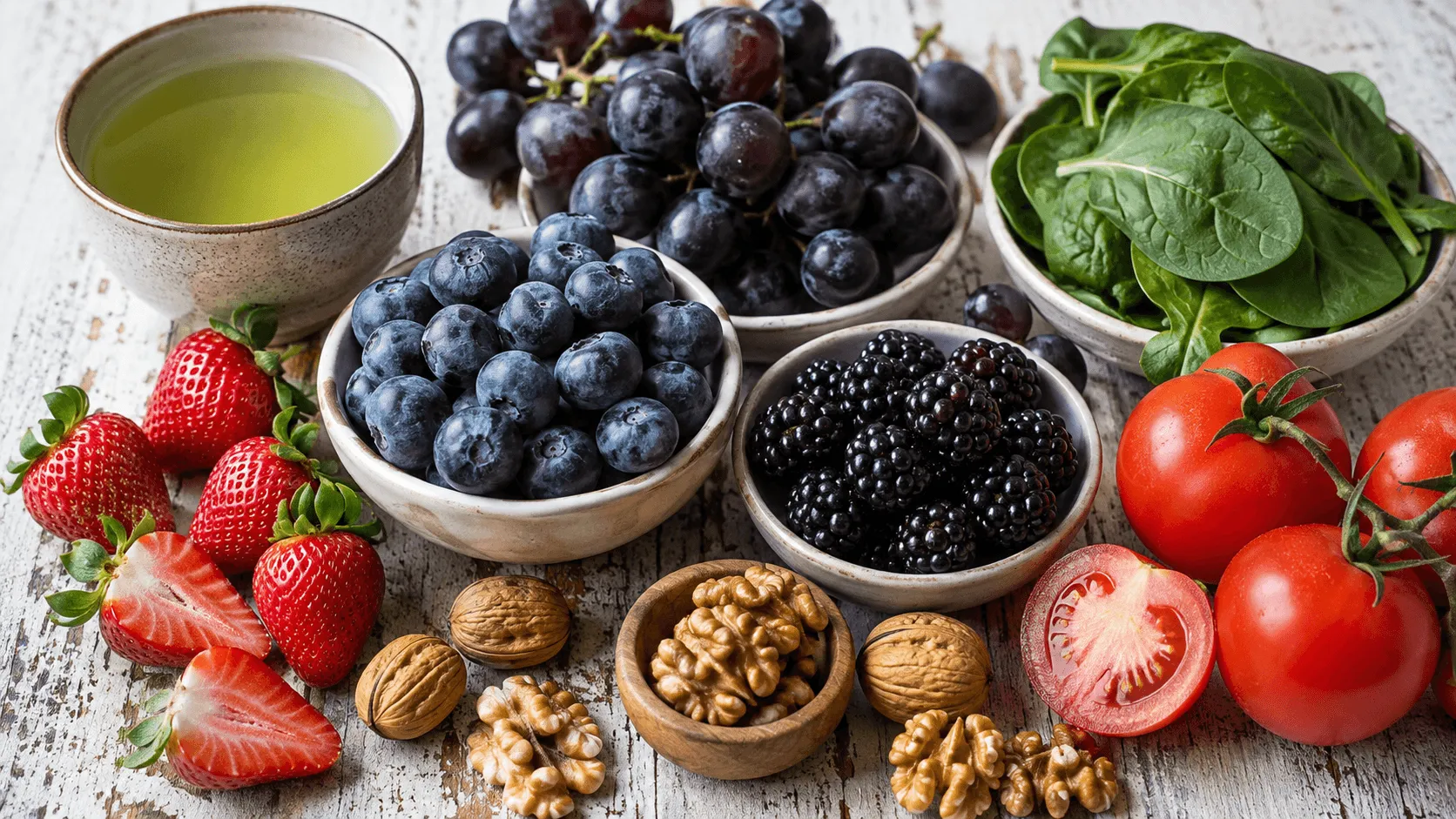
Many foods high in antioxidants for skin are colourful plant foods.
Antioxidants are compounds that help your body manage free radicals.
Free radicals are naturally produced in the body and can also increase in response to environmental factors such as pollution and ultraviolet radiation.
Foods rich in antioxidants include:
- Blueberries
- Strawberries
- Blackberries
- Spinach
- Kale
- Broccoli
- Tomatoes
- Green tea
- Pecans
- Walnuts
- Beans
- Dark coloured grapes
Eating a variety of these foods is generally more useful than relying on one single source.
Antioxidants and Skin
The connection between antioxidants and skin is closely tied to normal cellular processes.
Your body naturally creates free radicals as part of metabolism.
When free radical activity becomes excessive relative to the body's antioxidant defences, this is commonly described as oxidative stress.
A diet rich in fruits, vegetables, nuts, seeds, and other plant foods provides many different antioxidant compounds.
That does not mean antioxidants stop aging or prevent every skin problem.
It simply means they are part of the body's normal nutritional defence system.
Cellular Health and Healthy Skin
Healthy skin depends on healthy cells.
That makes cellular health an important part of the bigger picture.
Skin cells need nutrients and energy to perform their normal functions.
Protein provides amino acids.
Healthy fats support cell membranes.
Vitamins and minerals participate in many normal cellular processes.
Antioxidants help support the body's natural defences against oxidative stress.
This is one reason skin health is best approached as part of whole body wellness rather than as a cosmetic issue alone.
Skin and Dehydration: Why Hydration Matters
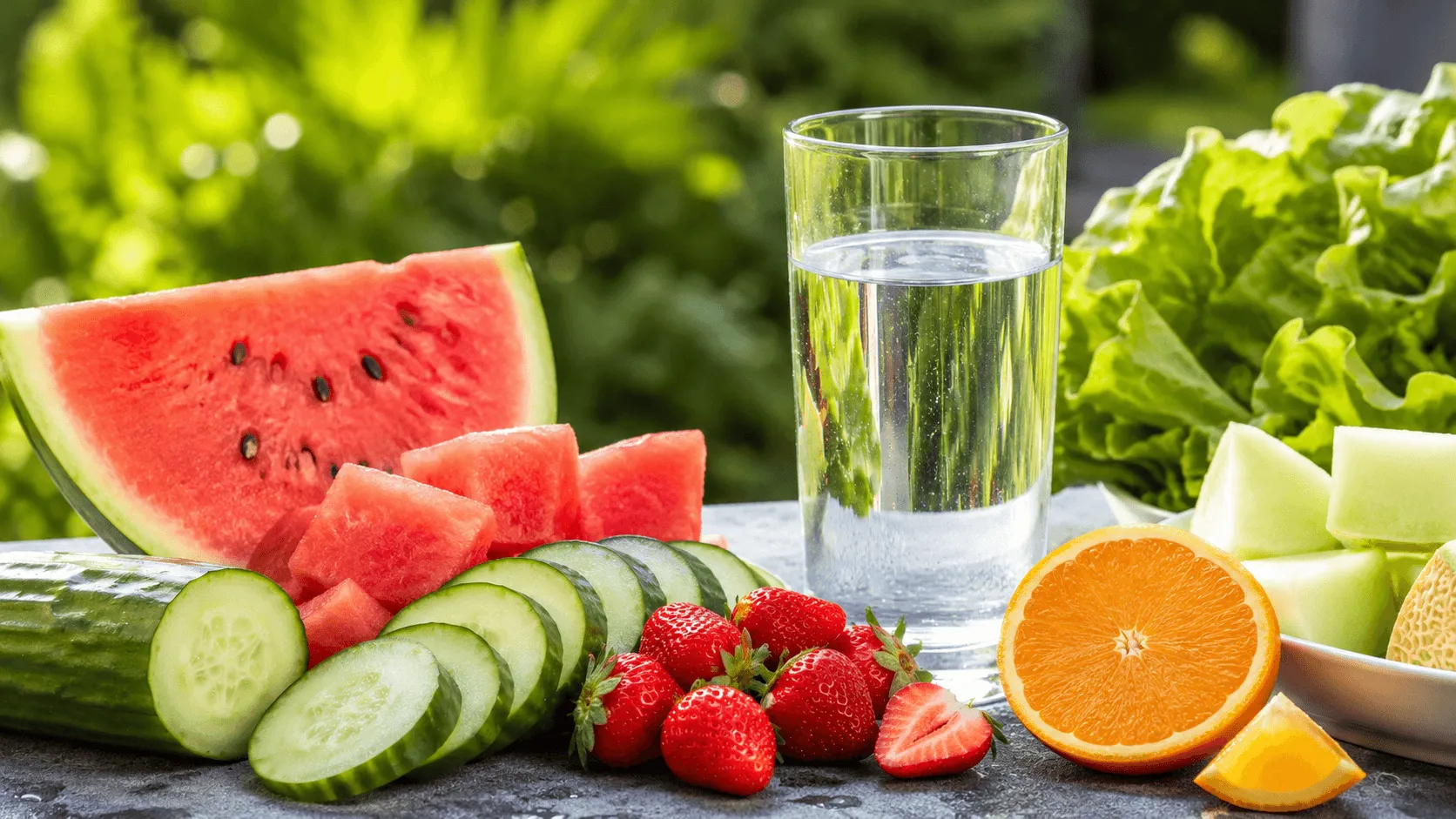
The relationship between skin and dehydration can sometimes be misunderstood.
Drinking water is important for your entire body, but drinking an enormous amount of water will not automatically erase wrinkles or transform your skin overnight.
Still, adequate hydration is essential for normal body function.
When your body does not receive enough fluids, dehydration can affect how you feel and may contribute to dry or less comfortable skin.
Water, herbal teas, soups, fruits, and vegetables can all contribute to your daily fluid intake.
Foods with high water content include:
- Watermelon
- Cucumber
- Strawberries
- Oranges
- Melon
- Tomatoes
- Lettuce
- Zucchini
Hydrate Skin From Inside
If you want to hydrate skin from inside, begin with a simple habit: drink fluids regularly throughout the day.
You can also include foods that naturally contain water.
Rather than waiting until you feel extremely thirsty, keep water nearby and drink consistently.
Remember that skin hydration is also influenced by the environment, bathing habits, skincare products, humidity, age, and other factors.
For many people, supporting hydration works best when good fluid intake is combined with appropriate external moisturization.
How to Get Healthy Skin

People often ask how to get healthy skin, but there is rarely one single answer.
Healthy looking skin usually reflects a combination of habits.
Good nutrition matters.
Hydration matters.
Sun protection matters.
Sleep matters.
Stress management matters.
Gentle skincare matters.
And sometimes professional medical care matters.
The most useful approach is to work on several small habits at the same time.
Healthy Skin Tips
Here are a few practical healthy skin tips you can begin using today:
- Eat a variety of colourful fruits and vegetables.
- Include a good source of protein with your meals.
- Choose healthy fats such as olive oil, avocado, nuts, and seeds.
- Drink water regularly throughout the day.
- Limit excessive intake of highly processed foods.
- Protect your skin from excessive sun exposure.
- Avoid smoking.
- Get adequate sleep whenever possible.
- Use gentle skincare products suited to your skin type.
- Pay attention to changes in your skin.
These habits may sound simple, but simple habits repeated consistently are often the most sustainable.
What Does Healthy Skin Look Like?
So, what does healthy skin look like?
Healthy skin does not necessarily mean flawless skin.
Real skin has texture.
It has pores.
It may have freckles, fine lines, scars, color variations, or occasional blemishes.
Healthy skin is better thought of as skin that is functioning normally and feels comfortable.
It should not be judged by unrealistic photographs or heavily edited images.
Healthy Skin Signs
Some general healthy skin signs may include:
- Comfortable skin that is not persistently irritated
- Normal elasticity for your age
- Adequate moisture
- Even healing of minor everyday irritation
- No unexplained persistent sores or lesions
Appearance alone cannot tell you everything about skin health.
Any new, unusual, changing, bleeding, or nonhealing skin lesion should be evaluated by a qualified health professional.
What Is Skin Health?
So, what is skin health really about?
Skin health means supporting your skin's ability to perform its normal roles.
Your skin helps protect your body from the external environment, supports temperature regulation, provides sensation, and forms an important physical barrier.
Supporting that system means looking beyond appearance.
Nutrition, hydration, sun protection, sleep, movement, stress management, and appropriate skincare all contribute to the bigger picture.
.
Healthy Skin Starts From Within
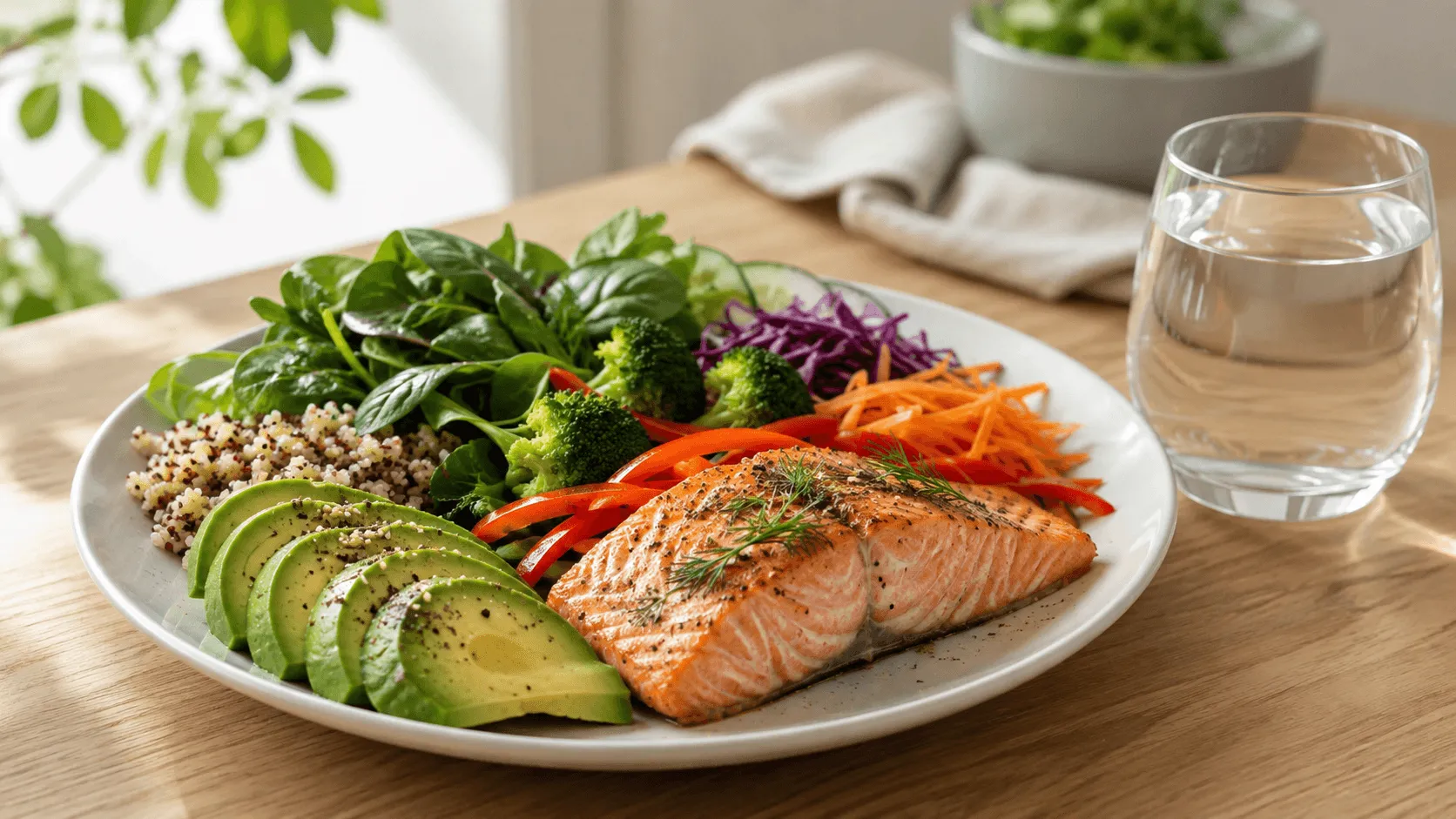
The idea that healthy skin starts from within is a useful reminder that skincare does not begin and end in the bathroom cabinet.
Your grocery cart matters too.
A balanced diet filled with fruits, vegetables, healthy fats, quality proteins, nuts, seeds, and adequate fluids gives your body a strong nutritional foundation.
There is no single food that guarantees glowing skin.
But there is something much more practical:
A pattern of healthy choices that supports your entire body, including your skin.
Start small.
Add berries to breakfast.
Include another serving of vegetables with dinner.
Swap one highly processed snack for nuts or fruit.
Drink another glass of water.
Choose fish, beans, eggs, or another quality protein source.
Those small choices add up.
And when you care for your body from the inside as well as the outside, you are giving your skin the nutritional support it needs to be part of a healthier you.