
Five Herb Formula
Cell Health Supplements for Cellular Support
Your body is made up of trillions of cells working together every moment of every day. They help produce energy, support tissues and organs, respond to everyday stress, and keep countless biological processes moving in the right direction.
Supporting those cells begins with the basics: nutritious food, regular movement, quality sleep, hydration, and healthy lifestyle choices.
Plant based nutrition can also play a supporting role.
The Five Herb Formula brings together five carefully selected botanicals: milk thistle, bacopa, ashwagandha, green tea, and turmeric. Each has its own long history of nutritional or traditional use, while together they provide a diverse collection of naturally occurring plant compounds.
Understanding how these herbs fit into cellular health begins with understanding what is happening inside your cells.
What Is Cellular Health?

Cellular health refers to how well the cells throughout your body are able to perform their normal functions.
Your cells are constantly carrying out important jobs. They help convert nutrients into energy, communicate with other cells, repair normal everyday damage, and support the tissues and organs that make up your body.
Healthy cells depend on many factors, including:
- A balanced and nutrient rich diet
- Regular physical activity
- Adequate hydration
- Consistent sleep
- Healthy stress management
- Limited exposure to harmful substances
- Adequate vitamins, minerals, and other nutrients
There is no single food, herb, or supplement responsible for cellular health.
Instead, think of cellular wellness as the result of many healthy choices working together.
Why Healthy Cells Matter as We Age
Our bodies are remarkably good at maintaining and repairing themselves, but aging brings gradual changes to many biological processes.
At the same time, everyday factors such as poor nutrition, lack of sleep, chronic stress, inactivity, environmental exposure, and normal metabolism can place additional demands on the body.
That is why healthy aging is not simply about adding years to your life.
It is about giving your body the nutritional and lifestyle support it needs to continue functioning as well as possible throughout those years.
Supporting cellular health is one piece of that bigger picture.
What Is Oxidative Stress?
To understand cellular health, it helps to understand oxidative stress.
Your body naturally produces unstable molecules commonly called free radicals during normal processes such as energy production and metabolism.
Free radicals are not automatically harmful. They are part of normal biology.
Problems can arise when the balance between free radicals and the body's ability to manage them becomes disrupted.
This imbalance is commonly referred to as oxidative stress.
Your body has natural antioxidant defense systems designed to help maintain that balance.
Diet and lifestyle can support those systems.
Free Radicals and Antioxidants Explained
Imagine antioxidants as part of the body's cleanup and protection crew.
Free radicals can interact with other molecules in the body because they are chemically unstable. Antioxidants can help stabilize certain reactive molecules before they contribute to unwanted oxidative reactions.
The body produces some antioxidants on its own.
Others come from the foods we eat.
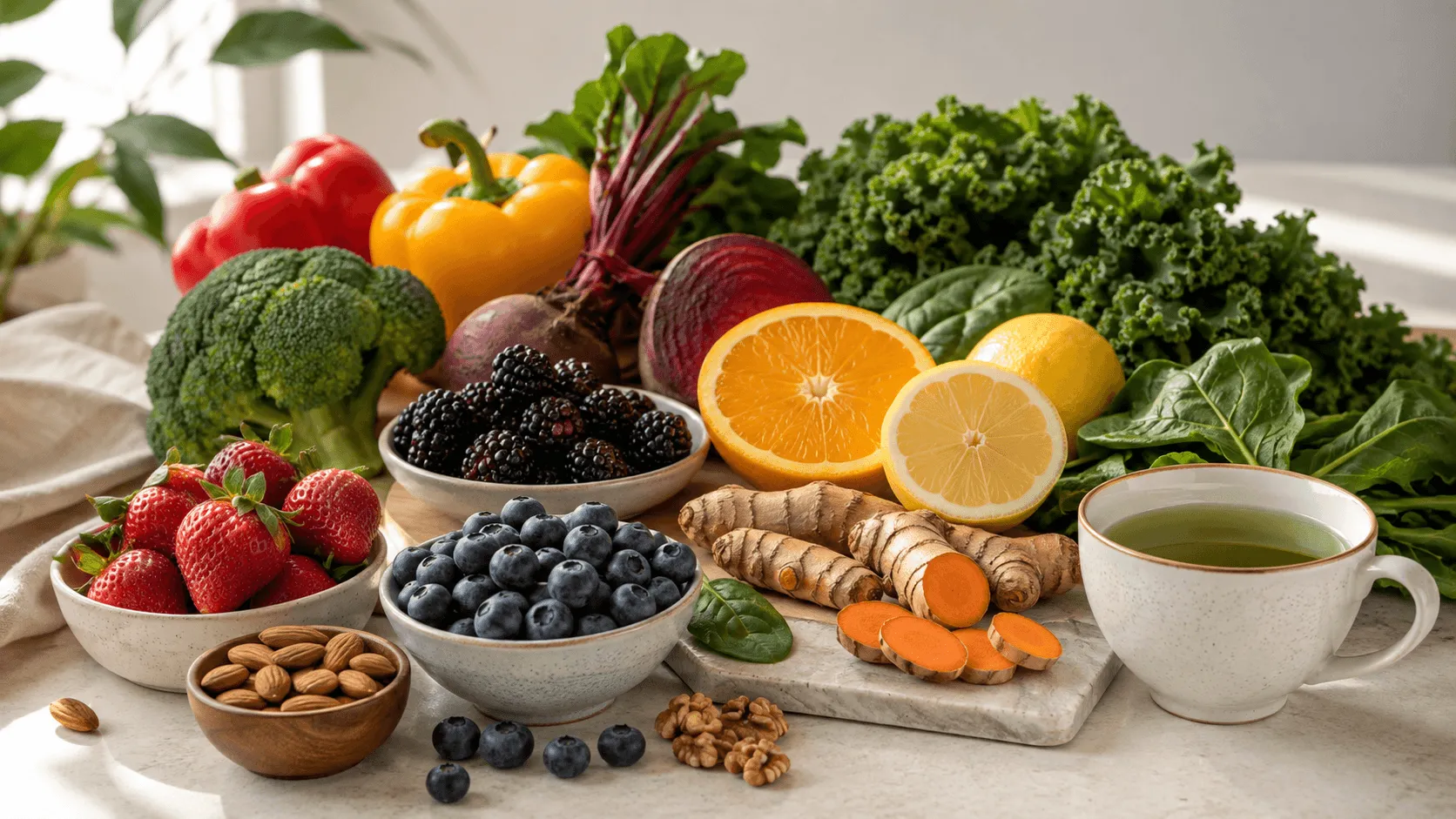
Colorful fruits, vegetables, herbs, spices, tea, nuts, seeds, and other plant foods contain a wide range of naturally occurring antioxidant compounds.
This is one reason eating a diverse plant rich diet is an important part of good nutrition.
What Can Antioxidants Do?
Antioxidants help the body manage oxidative activity and protect molecules from oxidative damage.
Different antioxidants work in different ways, which is why antioxidant support is better understood as a system rather than something dependent on one nutrient alone.
Common antioxidant nutrients and plant compounds include:
- Vitamin C
- Vitamin E
- Carotenoids
- Polyphenols
- Flavonoids
- Curcuminoids
- Catechins
Many herbs and plant foods naturally contain several types of these compounds.
Antioxidants and Cellular Health
Antioxidants are closely connected with cellular health because oxidative reactions take place throughout the body.
Your cells already contain complex protective systems designed to manage these reactions.
A healthy lifestyle can help support those natural defenses.
That includes eating antioxidant rich foods, getting regular physical activity, sleeping well, avoiding smoking, and maintaining a balanced diet.
Herbs and nutritional supplements can complement those habits, but they should not replace them.
What Are Cell Health Supplements?
The term cell health supplements generally refers to nutritional supplements designed to provide nutrients or plant compounds associated with normal cellular function.
A cellular health supplement might contain:
- Vitamins
- Minerals
- Antioxidant nutrients
- Plant extracts
- Polyphenols
- Herbal ingredients
However, supplements should be viewed as exactly that: supplemental support.
They are not a substitute for nutritious food, exercise, sleep, hydration, or appropriate medical care.
Food First and Supplements Second
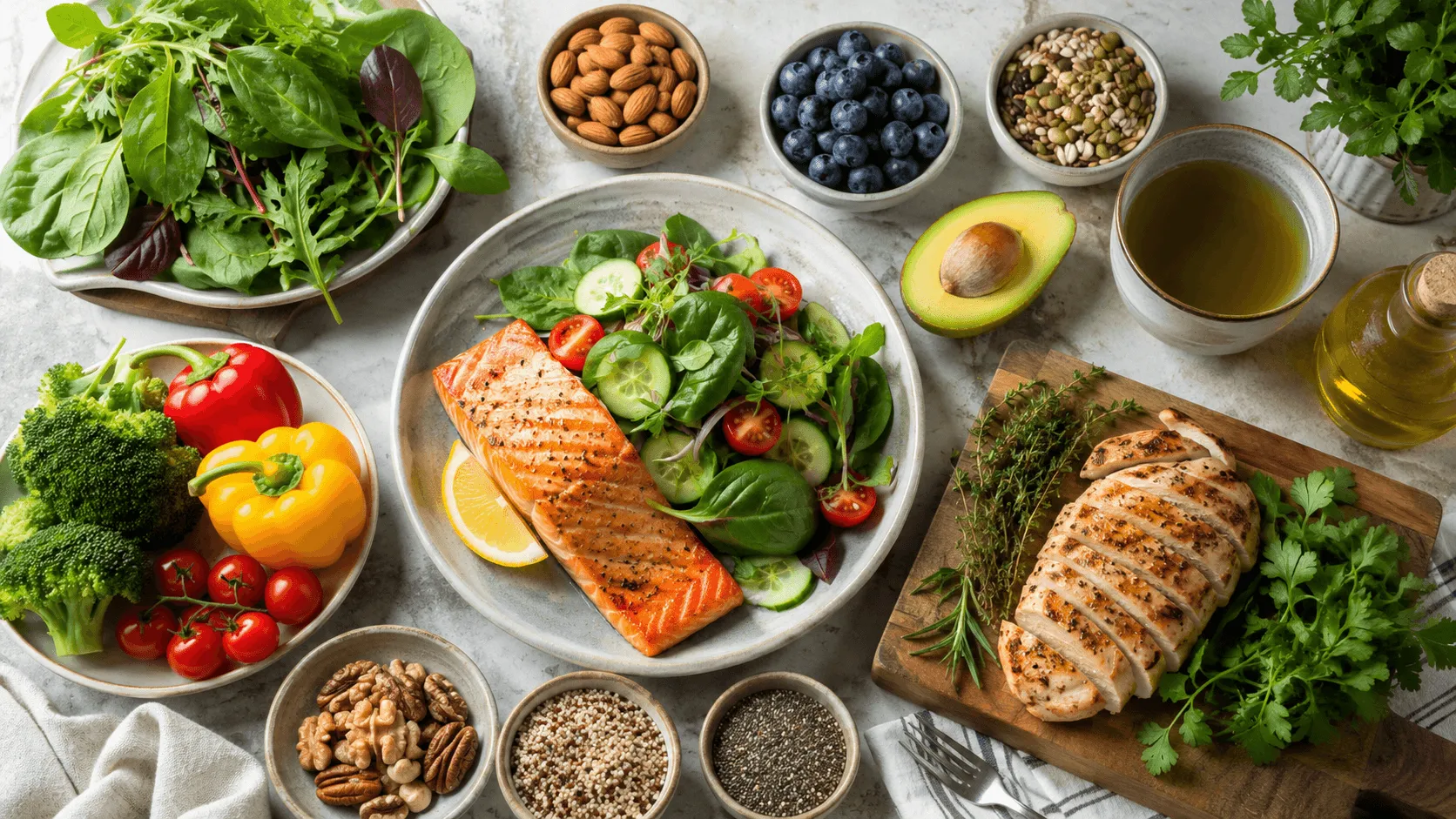
The best place to begin supporting cellular health is your plate.
Try building meals around a variety of whole foods, including:
- Leafy green vegetables
- Colorful vegetables
- Berries and other fruits
- Beans and legumes
- Nuts and seeds
- Whole grains
- Healthy fats
- Quality protein sources
- Herbs and spices
Variety matters because different foods provide different nutrients and plant compounds.
Supplements for cellular health can then be considered as an addition to an already healthy lifestyle rather than a replacement for one.
Discover the Five Herb Formula
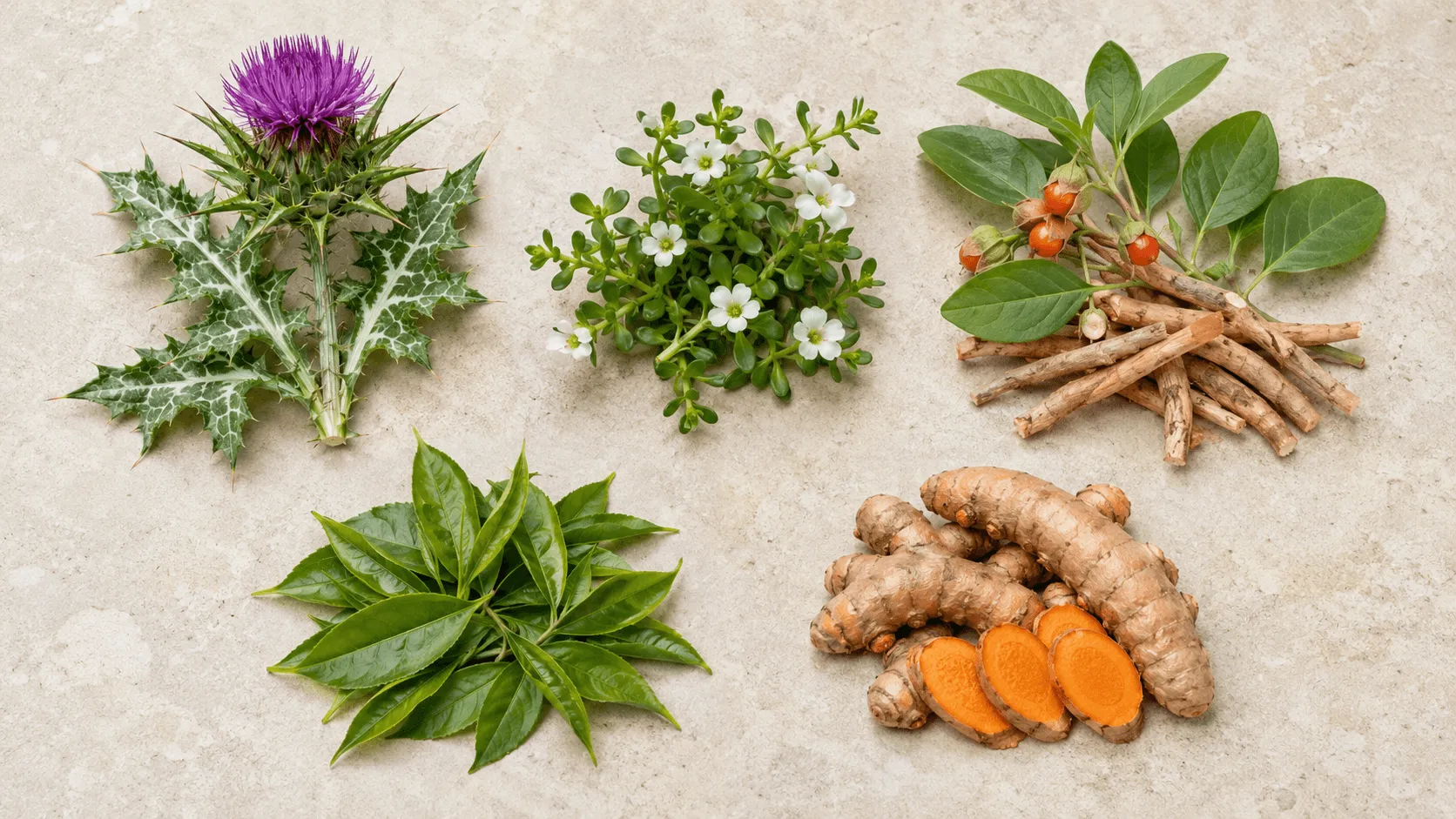
The Five Herb Formula combines five botanicals that have each attracted interest for their naturally occurring plant compounds and long histories of use.
The five herbs are:
Milk Thistle
Bacopa
Ashwagandha
Green Tea
Turmeric
Each brings something different to the formula.
Milk Thistle
Milk thistle is a flowering plant recognized by its distinctive purple flowers and white marbled leaves.
Its seeds contain a group of naturally occurring compounds collectively known as silymarin.
Milk thistle has a long history of traditional herbal use and continues to be studied for its botanical and antioxidant properties.
Bacopa
Bacopa is a small creeping plant traditionally used in Ayurvedic practices.
It contains naturally occurring plant compounds known as bacosides, along with other botanical constituents.
Bacopa has been used for centuries as part of traditional wellness practices and remains a widely recognized herb in modern botanical supplements.
Ashwagandha
Ashwagandha is another herb with a long history in Ayurvedic traditions.
The roots contain naturally occurring compounds called withanolides.
Ashwagandha is often categorized as an adaptogenic herb, a term commonly used for plants traditionally associated with helping the body adapt to everyday physical and emotional demands.
Green Tea
Green tea comes from the leaves of the Camellia sinensis plant.
Unlike heavily oxidized teas, green tea is processed in a way that preserves many of its naturally occurring polyphenols.
One of the best known groups of green tea compounds is called catechins.
Green tea has been enjoyed as a beverage for centuries and continues to be widely studied for its naturally occurring plant compounds.
Turmeric
Turmeric is a bright golden root belonging to the ginger family.
It has been used for centuries as both a culinary spice and traditional botanical ingredient.
Turmeric naturally contains compounds called curcuminoids, including curcumin.
These compounds are responsible for much of turmeric's characteristic yellow color and have been extensively studied for their biological and antioxidant properties.
Why Combine These Five Herbs?
One of the interesting aspects of plant nutrition is that herbs rarely contain just one compound.
Each plant contains a complex mixture of naturally occurring substances.
Combining several botanicals creates a broader range of plant compounds than relying on a single herb alone.
The Five Herb Formula brings together:
- Milk thistle and its silymarin compounds
- Bacopa and its bacosides
- Ashwagandha and its withanolides
- Green tea and its catechins
- Turmeric and its curcuminoids
This diverse botanical profile is one reason the combination is of interest to people looking for nutritional approaches to cellular support.
Supporting the Body's Natural Antioxidant Defenses
Your body does not rely only on antioxidants obtained directly from food.
It also produces its own antioxidant enzymes and protective compounds.
Nutrition, exercise, sleep, and other healthy habits can help support the systems responsible for maintaining cellular balance.
Plant compounds from herbs and foods may complement those natural processes as part of an overall healthy lifestyle.
The Five Herb Formula and Protandim Nrf2 Synergizer
The Five Herb Formula discussed on this page is found in LifeVantage Protandim Nrf2 Synergizer.
Protandim combines extracts from:
- Milk thistle
- Bacopa
- Ashwagandha
- Green tea
- Turmeric
The product is associated with a biological pathway known as Nrf2.
Nrf2 is a naturally occurring protein involved in regulating genes connected with cellular protection and antioxidant responses.
Rather than thinking of Nrf2 as something supplied by a supplement, it is more accurate to think of it as part of the body's existing cellular defense system.
Researchers continue to study Nrf2 and its role in normal cellular responses to oxidative stress.
Protandim is designed around this area of cellular biology using the five botanical ingredients described above.
How to Support Cellular Health Naturally

Supporting cellular health does not require chasing one miracle ingredient.
Some of the most valuable habits are also the simplest.
Eat a Nutrient Rich Diet
Fill your meals with a variety of colorful whole foods.
Different colors often represent different plant compounds, so variety helps provide a broader nutritional profile.
Think greens, berries, orange vegetables, beans, nuts, seeds, herbs, spices, and other minimally processed foods.
Stay Physically Active
Regular movement supports many aspects of health.
You do not necessarily need an intense exercise program.
Walking, gardening, stretching, swimming, resistance exercises, and other activities you enjoy can all contribute to a more active lifestyle.
The important part is finding movement you can maintain consistently.
Get Consistent Sleep
Sleep gives the body valuable time for recovery and normal biological maintenance.
Try to maintain a regular bedtime routine, create a comfortable sleeping environment, and reduce unnecessary stimulation before bed.
Manage Everyday Stress
Stress is part of life, but prolonged stress can affect many areas of wellbeing.
Helpful strategies might include:
- Spending time outdoors
- Prayer or meditation
- Deep breathing
- Gentle exercise
- Listening to music
- Reading
- Time with family or friends
- Maintaining healthy boundaries
Choose methods that genuinely help you feel calmer and more grounded.
Stay Hydrated
Water supports nearly every system in the body.
Keep water readily available throughout the day and drink regularly rather than waiting until you feel extremely thirsty.
Individual needs can vary depending on activity, climate, diet, age, medications, and health conditions.
Frequently Asked Questions About Cellular Health Supplements

What Are Cell Health Supplements?
Cell health supplements are nutritional products intended to provide vitamins, minerals, antioxidants, botanical extracts, or other nutrients associated with normal cellular function.
They should complement a healthy lifestyle rather than replace nutritious food or medical care.
What Is Cellular Health?
Cellular health refers broadly to the ability of cells to perform their normal biological functions.
Healthy nutrition, movement, sleep, hydration, and lifestyle habits all contribute to overall cellular wellbeing.
What Is Oxidative Stress?
Oxidative stress occurs when there is an imbalance between reactive molecules such as free radicals and the body's ability to manage them through antioxidant defenses.
Some oxidative activity is normal and unavoidable.
The goal is not to eliminate oxidation entirely but to support the body's natural ability to maintain balance.
What Can Antioxidants Do?
Antioxidants can interact with reactive molecules and help reduce unwanted oxidative reactions.
Your body produces antioxidant defenses naturally, while foods such as fruits, vegetables, herbs, tea, nuts, and seeds provide additional antioxidant compounds.
How Do Antioxidants Relate to Free Radicals?
Free radicals are chemically reactive molecules.
Antioxidants can help stabilize certain reactive molecules, which is why they are commonly discussed together when talking about oxidative stress and cellular health.
Can Supplements Replace a Healthy Diet?
No.
Supplements are intended to supplement nutrition, not replace it.
Whole foods provide protein, fiber, vitamins, minerals, healthy fats, and thousands of naturally occurring plant compounds that cannot easily be duplicated by a single supplement.
What Herbs Are in the Five Herb Formula?
The Five Herb Formula contains:
- Milk thistle
- Bacopa
- Ashwagandha
- Green tea
- Turmeric
Together they provide a diverse range of naturally occurring botanical compounds.
Supporting Your Cellular Health One Step at a Time
Healthy aging does not depend on one food, one herb, or one supplement.
It comes from the choices you make repeatedly over time.
Eating nutritious foods, staying active, getting adequate sleep, managing everyday stress, drinking enough water, and maintaining healthy habits all help create a strong foundation.
Cell health supplements can become another piece of that foundation when they are used thoughtfully.
The Five Herb Formula offers a combination of milk thistle, bacopa, ashwagandha, green tea, and turmeric for people interested in plant based nutritional support and the science of cellular health.
The goal is not perfection.
It is simply to keep making choices that support your wellbeing, one healthy step at a time.
Always speak with your physician, pharmacist, or another qualified healthcare professional before beginning a new dietary supplement, particularly if you have a medical condition, are pregnant or breastfeeding, or take prescription medications.